


Something is better than nothing -

Why I welcome the new physical activity guidelines and their place in preventative healthcare.
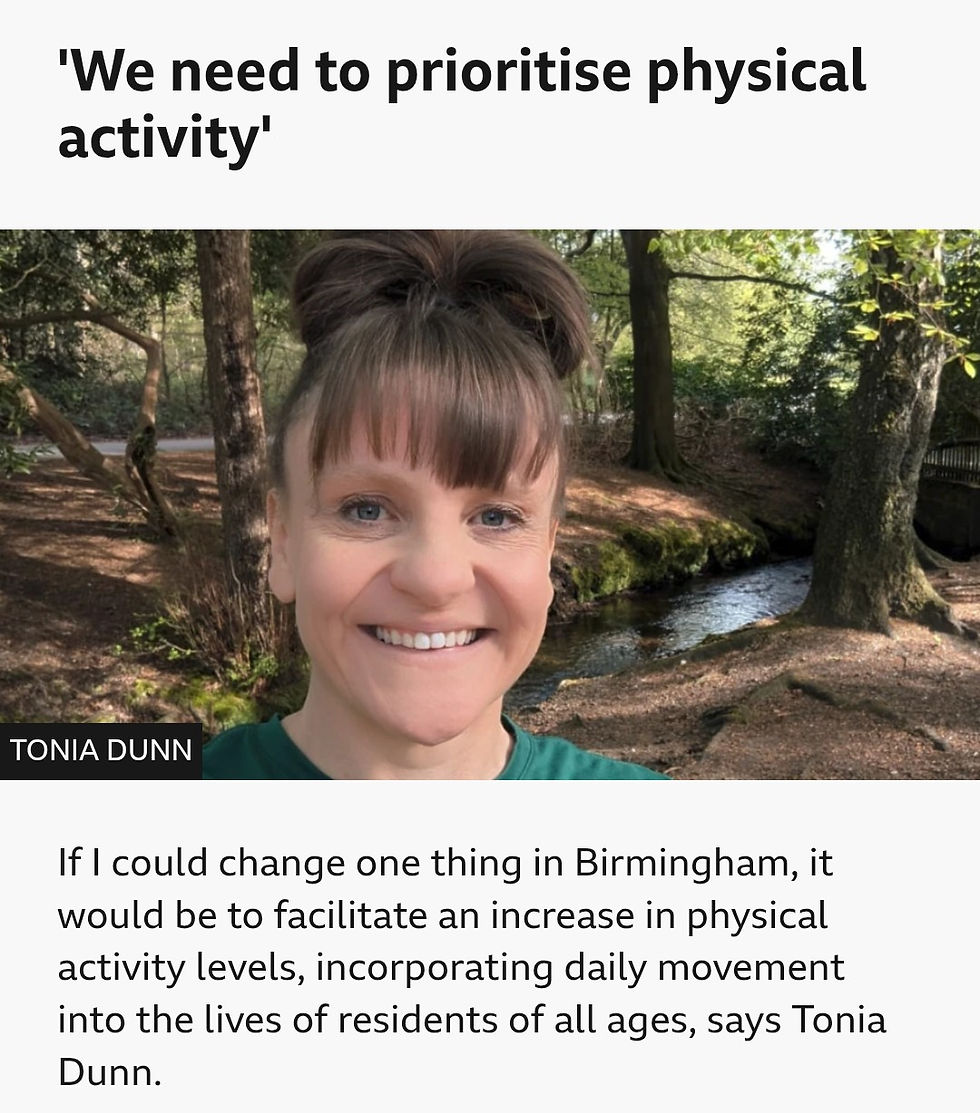
Public health messaging works when it is achievable, realistic, and accessible.
I know I’m not alone as a preventative healthcare practitioner in breathing a sigh of relief that the Chief Medical Officer, Professor Sir Chris Whitty has refreshed the physical activity guidelines. Rather than setting an intimidating, all-or-nothing bar, the updated guidance champions an important truth: every single movement counts.

‘For good physical and mental health, adults should aim to be physically active every day. Any activity is better than none and more is better still.’
~ UK Chief Medical Officers' physical activity guidelines. Updated 10 July 2026

It is a message that many of us in the preventative healthcare space have been shouting from the rooftops for years. The guidance also includes compelling reasons why we will benefit from increasing physical activity levels.
Meeting people where they are
In public health, we have to meet people where they are, not where we ideally think they should be.
Consider the classic "5-a-day" message. We know from nutritional science that eating 7 to 11 portions of fruit and veg a day offers even greater health markers. But if we made "9-a-day" the official national target, people might look at their plates, deem it impossible, and give up entirely. 5-a-day works because it is a realistic, memorable compromise. It’s doable. Even with this, I work to assure people that it’s about increasing from where they are. 2 a day is better than 1 and 1 is better than none.
The same logic applies to physical activity. When people believe they must hit 150 minutes of moderate-to-vigorous exercise a week to see benefit, it creates a binary all-or-nothing barrier. If we can't access a full workout, we might ask, "What's the point?"
The new guidelines dismantle this barrier by confirming that even small increments of daily movement make a difference to long-term health. The guidelines also position exercise and physical activity as the powerful preventative healthcare tools that they are, emphasising the reduction of risk of developing certain health conditions. Important for primary and secondary prevention.
Why reachable feels more do-able
This is precisely why tools like the Active10 app (which encourages just 10 minutes of brisk walking a day) are so incredibly popular. It doesn't ask people to overhaul their lives; it just asks for 10 minutes of purposeful movement. It feels achievable. And once someone builds the confidence that they can do 10 minutes, they are far more likely to do more.
‘There is no minimum amount of physical activity required to achieve some health benefits. Specific targets below the recommended levels - such as aiming to do at least 10 minutes at a time - can be effective as a behavioural goal for people starting from low levels of activity.’ ~ UK Chief Medical Officers' physical activity guidelines. Updated 10 July 2026
Your great-grandparents faced different challenges
In health education, I often talk about how different life was for our ancestors. They didn't have the ‘labour-saving’ devices we rely on today and therefore they were naturally more active. Our modern working, living, and built environments are saturated with machines, computers, transport, and supermarkets. Virtually every modern convenience is designed to remove the physical effort required to survive.
Because our daily lives no longer force us to move, it benefits us to actively incorporate movement back into our routines.
Preventative healthcare isn't about training everyone to run marathons or hit the gym for hours a week (although we must acknowledge that these activities do work well for some people). It’s about helping people take the stairs instead of the lift, go for a short walk, or fit in a few minutes of strength and balance exercises. Traditional exercise guidelines do not consider the unique challenges faced by people with chronic health conditions and people with caring responsibilities. I do feel that guidelines could go even further than they do in terms of specifics for inclusion - however, by shifting the narrative from strict fitness targets to ‘any movement is a win’, the new guidelines are a shift in the right direction.
What do you think about the new guidelines? Have they changed your view of physical activity?
You can read the full guidance here
You can read a BBC article I contributed to, mentioning the importance of physical activity here


Comments