


Trauma Response & Lifestyle Change - how the four Fs can show up as barriers.


How does trauma affect the mind and body?
Trauma can alter the nervous system, effectively rewiring the brain, which can affect emotion, memory and behaviour.
Trauma can cause dysregulation such that our stress response and automatic response to danger is altered. This might mean that the response is heightened, or it might mean that we are more likely to dissociate from threat.
Trauma has many implications, both for mind and body. There is an excellent book called The Body Keep the Score by Bessel van der Kolk which explores this subject in greater detail.
In terms of considering how trauma could affect the ability to make lifestyle changes from a fitness, health and wellbeing perspective, it is perhaps useful to firstly consider the four known trauma responses. I will then go on to explore how each response might show up in terms of engagement with lifestyle change.
What do we know about the different trauma responses?
Sometimes called 'the four Fs'
Fight – a survival mechanism which is triggered when we perceive a threat or danger and which prepares the body to fight.
Flight – again, a survival mechanism, which prepares the body to ‘run’ from danger.
Freeze -the freeze response is overwhelming, causing the body to freeze instead of running or fighting when faced with danger.
Fawn – the fawn response involves people-pleasing, putting other people's needs first and neglecting personal boundaries and needs.
It is important to note that these are inherent responses – at times they might provide safety and have certainly helped humans to survive.
You do not have to have experienced trauma to feel these responses. Sometimes they can be associated with other issues such as stress and anxiety (although these conditions can also be triggered by trauma).
The problem is not the responses, per se, but when the involuntary nervous system is more sensitive to detecting threat than we want it to be, thus causing regular negative impacts for a person and preventing them from living a fulfilled life.
When a person doesn’t feel safe, in their body or their environment, they are less likely to continue to engage with making changes that might benefit their health.
Naturally, human behaviour takes many forms for many reasons. Please keep in mind that the responses described can be related to human behaviour in general, not necessarily trauma. Also, it is not our role as fitness professionals and health coaches to try to diagnose whether someone has been through trauma and whether that is the root cause of someone’s actions. We can, however, put some basic systems in place to create a safe space and where possible, aim to avoid triggering people unnecessarily. In later blog posts, I will look at how we provide a safe space for trauma survivors.
For now, we will focus on how, in my experience, the four ‘F’ responses can show up in terms of engagement with lifestyle change. Of course, there may be no visible or verbal clues that the responses are taking place and the trauma survivor might completely internalise the feelings.
Fight – this might create a combative response physically or verbally.
Perhaps it might be someone slamming the equipment down or being verbally confrontational when they feel they are under threat or perceived threat such as humiliation or criticism.
It might be a case of being angry and upset with a situation or person, but feeling unable to articulate this for fear of being disbelieved or silenced, or seem as ‘out of control’ or a ‘troublemaker’. They therefore internalise the anger which can lead to a person adopting unhealthy coping mechanisms which have an impact on their long term health.
It might also show up as a person trying to ‘control’ their environment or control others in order to minimise the perceived ‘threat’ to feel safe.
It could also be that a person will reject instructions, become easily angered or combative in response to a suggestion of change, not follow rules or seem to be unaware of the needs of others in the group.
Flight- a person might feel a strong desire to leave the situation. They might physically leave the space or perhaps they might become disconnected.
It could be that someone needs to near to an exit or a window space or perhaps they need to be in the same space within the room each time.
They might work too hard, overexerting their body, not understanding their physical boundaries.
It might drive a person to feel they have to be the best or it's not worth doing.
In some respects, the adrenaline and cortisol of the flight (and the fight) response can be beneficial to those in competitive sports but when these responses are triggered unnecessarily it can be overwhelming and frightening for a person.
Freeze- someone may become completely overwhelmed and unable to follow instruction or perform the exercise required.
Or, freeze could manifest in being completely stuck in terms of starting to make lifestyle changes, having a sense of total overwhelm and simply not being able to engage with or begin the process.
It could also affect someone’s ability to leave the house and participate in an activity, because they very thought of going elicits a paralysing response.
Fawn- someone might agree to something that they do not want to do. They may feel obliged to say yes, because the desire to please the instructor (or others) overrides their desire to protect themself.
This might be agreeing to taking part in something they really don’t want to do, pushing themselves physically harder than they want to, being in a group photograph of the session that they didn’t want to feature in.
It can also manifest as a kind of perfectionism, fear of making a mistake, fear of disappointing others or fear of being seen as ‘less than’. This might show up as defensiveness when lifestyle changes are suggested, or it might show up as a desire to ‘prove’ to the coach or instructor that they are doing everything perfectly.
The fawn response also makes it difficult to articulate feelings and give feedback, because there is a sense of their views not being important and not wanting to be seen as fussy or causing trouble. Internalising these feelings can again lead to adopting unhealthy coping strategies.
The above responses might also occur when a person has physical contact or when certain exercises are performed creating a sense of unease in the body – for example when someone is asked to try something physical which triggers a negative experience (raised heartrate and breathlessness can trigger a trauma response), or when an instructor makes an adjustment to an exercise (which is why consent is hugely important and something I will address in the next blog post).
In the next post, I will also explore how we can address some of these responses, and how we can aim to create safe, welcoming spaces for survivors of trauma.
You might be interested in:

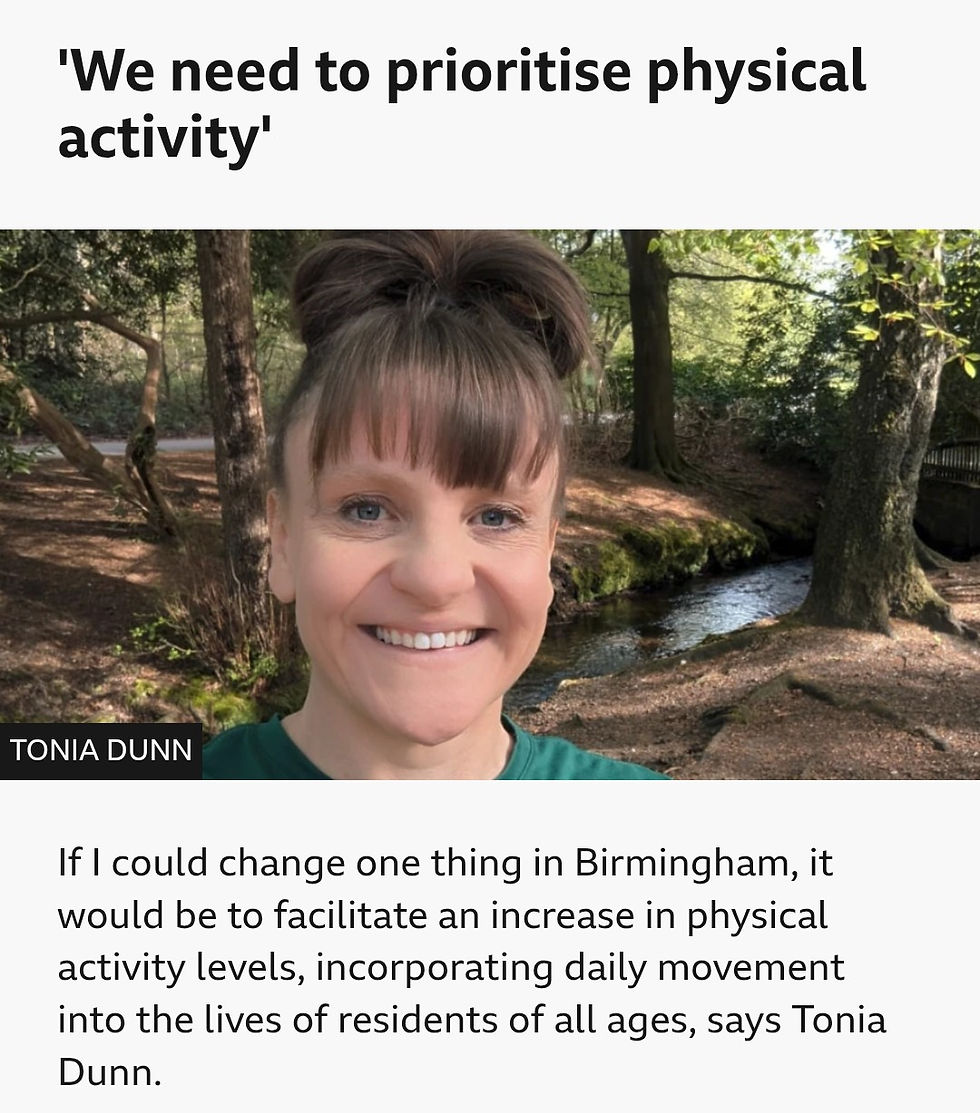
Tonia Dunn is a CIMSPA member, an Associate Member of the Faculty of Public Health, Advanced Personal Trainer Practitioner, Boxercise Instructor and Preventative Healthcare Coach based in Birmingham, UK.


Comments